How Proper Implementation of Schema Can Boost Traffic 4X

When we talk about SEO, most people think about backlinks, guest posting, keywords, and meta descriptions. But there’s one underrated yet powerful SEO element that can dramatically impact your website’s traffic — Schema Markup. By properly implementing schema markup, you can improve how search engines interpret and display your site’s content, leading to rich results in search engine result pages (SERPs). This, in turn, can boost your traffic by as much as 4X.
In this article, we’ll dive deep into how proper schema implementation can significantly increase traffic, and provide actionable steps for incorporating schema into your SEO strategy.
What is Schema Markup?
Schema Markup is a type of structured data that helps search engines better understand your content. It’s a code you add to your website that tells search engines what your data means, not just what it says. With schema, you can give context to your pages, allowing search engines like Google to display more informative and appealing search results, such as rich snippets.
Imagine schema markup as a translator between your website and search engines. It breaks down your data into digestible pieces that search engines can understand and utilize for better presentation in search results.
How Schema Markup Impacts SEO
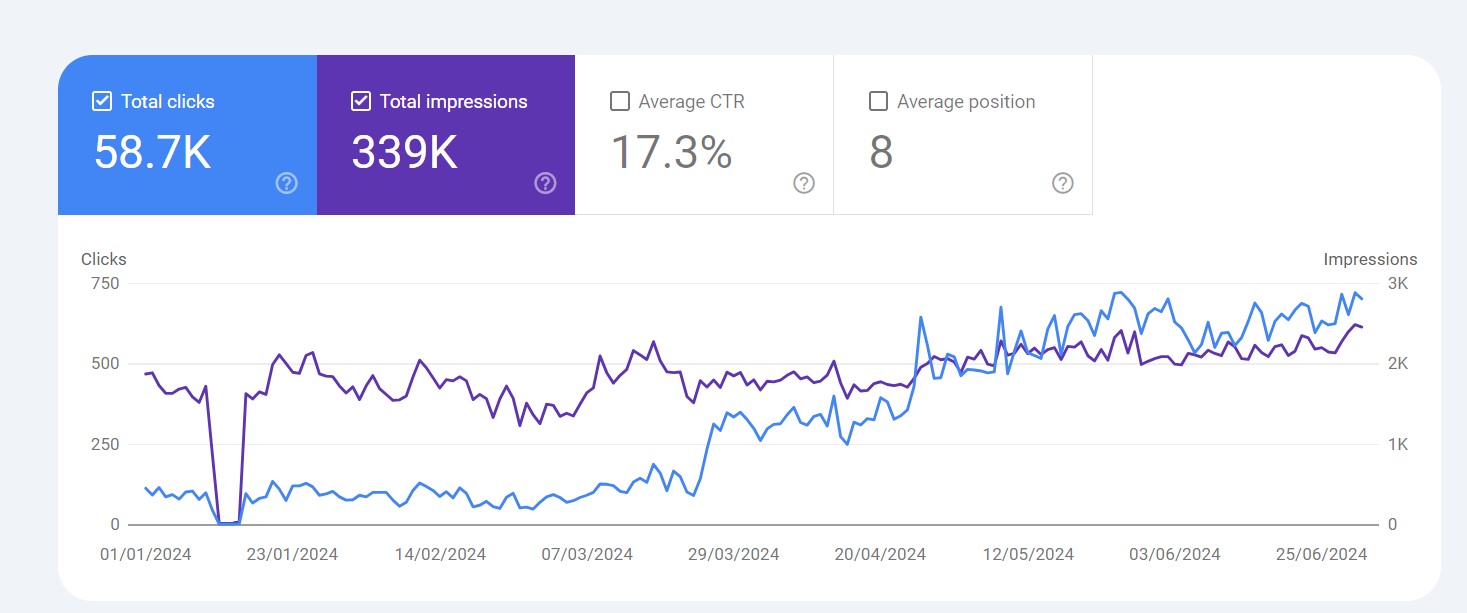
Schema plays a pivotal role in enhancing search visibility and increasing organic traffic. Here's how it directly impacts SEO:
1. Rich Snippets Lead to Higher CTRs
Rich snippets are enhanced search results that include additional information, like star ratings, product prices, recipe instructions, and more. They make your listing more appealing and informative. Sites that implement schema markup for rich snippets often experience a significant boost in click-through rates (CTR).

For example, Rotten Tomatoes added structured data to 100,000 unique pages, resulting in a 25% higher CTR for pages enhanced with structured data compared to those without it.
2. Improved Search Ranking
While schema markup itself doesn’t directly affect rankings, it does improve how your results are presented in SERPs, which can lead to better user engagement. Better engagement sends positive signals to search engines, which can indirectly improve your rankings.
3. Voice Search Optimization
With the rise of voice search, structured data is becoming increasingly important. Voice assistants like Alexa, Siri, and Google Assistant rely on structured data to provide quick, accurate answers to user queries. If your content is marked up properly with schema, you’re more likely to appear in voice search results, driving additional traffic to your site.
How Schema Can Boost Your Traffic by 4X
Now that you understand how schema works and its impact on SEO, let’s discuss how implementing schema can multiply your traffic by four times.
1. Enhanced Visibility with Rich Snippets
As mentioned, rich snippets help you stand out in search results. When you enable schema markup, your listing gets additional elements like ratings, reviews, FAQs, images, and more. These elements attract users, leading to more clicks, which can result in a fourfold increase in traffic over time.
For instance, Nestlé measured that pages showing as rich results had an 82% higher CTR than non-rich result pages. This increased visibility can drive significantly more traffic to your site.
2. Higher User Engagement
Schema Markup not only brings more people to your site but also improves user experience. By providing searchers with more relevant, detailed information, you're offering an enhanced browsing experience before they even land on your page. When users know exactly what to expect from your site, they are more likely to engage with your content.
Rakuten, a global e-commerce company, discovered that users spent 1.5x more time on pages with structured data and saw a 3.6x higher interaction rate on pages optimized with schema markup. The result? More engagement and longer time spent on the site translate to a higher chance of conversions and repeat visitors.
3. Better Position for Featured Snippets
Schema can position your content to appear in featured snippets, which are those coveted boxes at the top of search results that provide quick answers to user queries. Getting your content into a featured snippet can skyrocket your traffic since you're positioned above all other organic results.
This is a huge advantage when you consider that more and more people are relying on these quick answers to find the information they need. A proper schema implementation can help you secure featured snippets, giving you a significant edge over your competition.
Case Studies of Schema Markup Success
Let’s look at real-world examples where schema markup dramatically boosted traffic:
1. Food Network’s Recipe Pages
Food Network implemented schema markup on 80% of their recipe pages, enabling search features like ingredient lists and cooking times to appear directly in search results. This schema implementation resulted in a 35% increase in visits, proving that structured data can lead to significant traffic growth.
2. Rotten Tomatoes
Rotten Tomatoes applied structured data to 100,000 unique movie pages. Pages with schema markup saw a 25% increase in CTR, proving that rich results bring more clicks and drive traffic to your site.
3. Rakuten’s Schema Strategy
Rakuten's focus on structured data led to 1.5x more time spent on Schema-enabled pages. They also saw 3.6x more interaction on AMP pages featuring structured data versus non-schema pages. This level of engagement has a profound impact on overall site performance and traffic.
4. Nestlé's CTR Boost
Nestlé incorporated schema markup across its product pages, and the result was an 82% increase in CTR on pages that showed as rich results in search. This proves that structured data is a game-changer for online visibility and engagement.
How to Implement Schema Markup
Ready to start using schema to boost your traffic? Here’s a step-by-step guide:
1. Choose the Right Schema Types
There are many types of schema markup available for different kinds of content. Some popular types include:
Recipe Schema: Perfect for food blogs.
Product Schema: Ideal for e-commerce sites.
Review Schema: Great for businesses or product pages.
FAQ Schema: Perfect for answering common user questions.
2. Add Schema Using Plugins
If you’re using WordPress, adding schema is simple with SEO plugins like Rank Math, Yoast SEO, or SEOPress. These plugins allow you to generate structured data easily without needing to code.
3. Use Google’s Structured Data Markup Helper
If you don’t want to rely on plugins, you can use Google’s Structured Data Markup Helper to manually create and implement schema code on your site. After generating the code, you can embed it directly into your HTML.
4. Validate with Google’s Structured Data Testing Tool
Once you’ve added schema markup to your pages, it’s crucial to validate your code to ensure it’s implemented correctly. Use the Google Structured Data Testing Tool to see if your schema is properly set up.
Conclusion
Schema markup is one of the most powerful yet underutilized tools in the SEO world. By adding schema to your website, you’re not only enhancing your visibility in search results but also improving user experience, increasing engagement, and boosting your click-through rates. When implemented properly, schema markup can potentially increase your website traffic by 4X, as demonstrated by case studies from brands like Rotten Tomatoes, Food Network, Rakuten, and Nestlé.
Don't wait — start implementing schema markup today and watch your traffic soar!
FAQs
1. Does Schema Markup Directly Affect Search Rankings?
No, schema doesn’t directly impact rankings, but it boosts your visibility and CTR, which can improve your rankings over time.
2. What Kind of Websites Benefit Most from Schema Markup?
Any website can benefit from schema, but it's especially effective for recipe sites, eCommerce, product review pages, and local businesses.
3. How Do I Know Which Schema to Use?
Refer to the schema.org library to find the appropriate schema types for your content, or use tools like Rank Math or Yoast to guide you.
4. Is Schema Markup Difficult to Implement?
No, with the help of plugins like Rank Math or Yoast, you can easily add schema to your WordPress site without any coding experience.
5. Can Schema Improve My Voice Search Performance?
Absolutely! Schema helps structure your data, making it more accessible for voice search assistants like Alexa and Google Assistant..
Read In-Depth Original Article: What Is Schema Markup & Why Is It Important For SEO in 2024?